
When we think of the holiday season in December, many of us naturally think of Christmas and Hanukkah. These celebrations are meaningful and deeply rooted for so many families. At the same time, this season is rich with other cultural traditions that may be less familiar but carry powerful messages of connection, hope, and resilience.
One of these traditions is Yalda Night, an ancient secular celebration that has been observed for thousands of years and continues to be honored by people of Persian heritage around the world today.
What Is Yalda?
Yalda, also known as Shab-e Yalda, is celebrated on the winter solstice, the longest night of the year. It marks a turning point, when nights begin to shorten and days slowly grow longer again.
Yalda originated in ancient Persia and is considered one of the oldest continuously celebrated holidays in the world. Today, it is observed by Iranians and others of Persian cultural heritage.
At its heart, Yalda is about endurance and hope, connection and community, resilience and the triumph of light over darkness.
The longest night of the year has long symbolized uncertainty and hardship. Yalda honors the belief that even in the darkest moments, light is on its way. The return of longer days represents renewal and the quiet assurance that difficult periods do not last forever. This symbolism resonates deeply for many people, especially during the winter months, when emotional heaviness, isolation, or grief can feel more present.
How Yalda Is Traditionally Celebrated
Yalda is typically celebrated by gathering with family and loved ones and staying awake together through the night. The focus is not on gifts or formal rituals, but on togetherness. By staying awake together, families symbolically “outlast” the darkness and welcome the return of light.
Common traditions include:
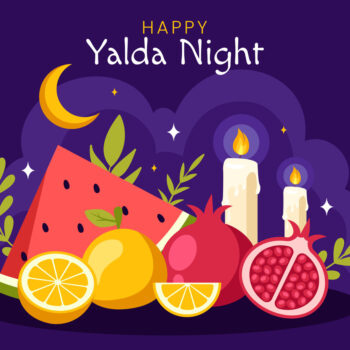
Sharing foods like pomegranates and watermelon, whose vibrant red color symbolizes life, vitality, and health.
Reading poetry, especially works by the beloved Persian poet Hafez, often used for reflection, meaning-making, and light-hearted seeking of guidance or insight
storytelling, dancing, and sharing traditions across generations.
Why Learning About Other Cultural Holidays Matters
While winter holidays differ across cultures and religions, many share common themes. Yalda, Christmas, Hanukkah, and other seasonal celebrations emphasize human connection, reflection, resilience, and hope. These shared values remind us that across cultures, people have long sought meaning and comfort during the darkest times of the year.
Learning about holidays like Yalda helps create a more inclusive and compassionate community. For some, it offers the comfort of being seen and recognized. For others, it opens the door to curiosity, understanding, and appreciation for traditions beyond their own. In mental health spaces, especially, acknowledging diverse cultural experiences supports belonging, respect, and emotional safety.
The winter season encompasses many meaningful traditions, each offering its own unique perspective on darkness, hope, and connection. By expanding our view of what this season encompasses, we create space for more stories, more voices, and a deeper shared humanity. This time of year invites reflection, warmth, and connection; and in its own quiet way, Yalda reminds us that even the darkest of times eventually give way to light.