
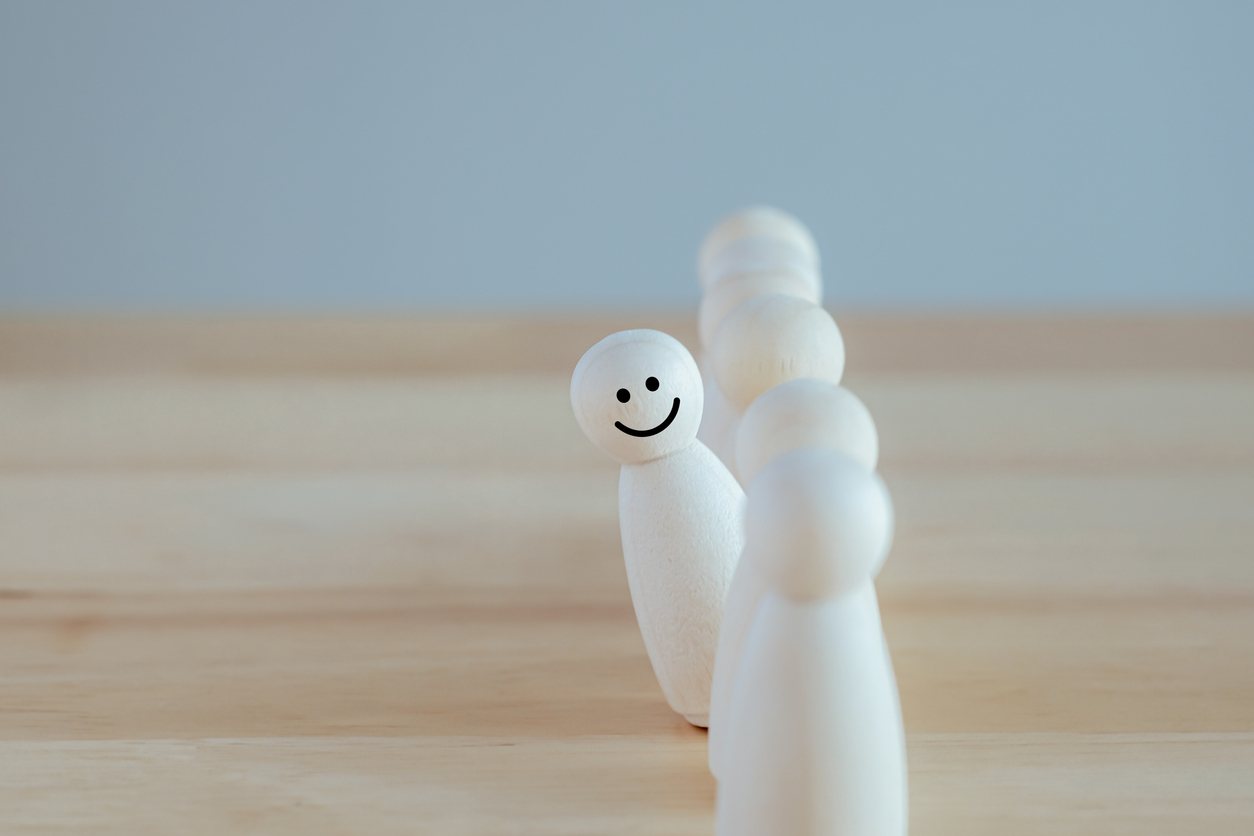
“Great things are not done by impulse, but by a series of small things brought together.” — Vincent van Gogh
It’s easy to fall into all-or-nothing thinking when it comes to mental health:
I need to fix everything. I should feel better by now. If I can’t do it perfectly, why try at all?
This mindset can backfire. Research in psychology consistently shows that sustainable change tends to come from small, repeatable actions—not dramatic overhauls. Aiming to feel “10% better” can be more realistic, more compassionate, and ultimately more effective than chasing a total transformation.
Below are practical, evidence-informed strategies that can help nudge your mental health in a positive direction. None are magic fixes—but each can make a meaningful difference.
- Move your body—gently counts
You don’t need an intense workout. Walking, stretching, or light activity has been linked to reductions in symptoms of depression and anxiety. Consistency matters more than intensity. - Get 10–20 minutes of daylight early in the day
Exposure to natural light, especially in the morning, helps regulate circadian rhythms and can improve mood and sleep quality. Even on cloudy, PNW days, outdoor light is significantly brighter than indoor lighting. - Name what you’re feeling
Putting emotions into words (“I feel overwhelmed” vs. “I feel bad”) activates language areas of the brain involved in regulation. This simple practice—sometimes called “affect labeling”—can reduce emotional intensity. - Limit information overload
Constant exposure to news and social media can increase stress and anxiety. So ask yourself: does my media consumption make me more empowered, or less? It’s okay to not track every headline or to take a news vacation. - Reach out—even briefly
Short, low-pressure social interactions (a text, a quick call, a shared moment) can meaningfully boost mood. Social connection, even brief, is one of the most robust protective factors in mental health research. - Use your senses to ground yourself
Simple grounding exercises—like noticing five things you can see or focusing on sounds in the room—can reduce acute stress and bring attention back to the present moment. - Track small wins
Our brains are biased toward noticing what’s wrong. Instead, think about one or two things that went okay today. Explore a “done” list, rather than a “to-do list,” some “accomplished” journaling, rather than “goal” journaling. Odds are, you’ve done more this week than you realize.
A final note
Improvement doesn’t have to be dramatic to matter. If something helps you feel even 10% better—and it’s safe, sustainable, and accessible—that’s meaningful progress. Over time, small changes can accumulate into something much larger.
If you’re struggling and these strategies feel like far from enough, reaching out for professional support is an important next step. You don’t have to figure it out alone.
Bibliography / Further reading
Creswell, J. D. (2017). Mindfulness interventions. Annual Review of Psychology.
Dimidjian, S., Hollon, S. D., Dobson, K. S., et al. (2006). Randomized trial of behavioral activation, cognitive therapy, and antidepressant medication in the acute treatment of adults with major depression. Journal of Consulting and Clinical Psychology.
Emmons, R. A., & McCullough, M. E. (2003). Counting blessings versus burdens: An experimental investigation of gratitude and subjective well-being. Journal of Personality and Social Psychology.
Gao, J., Zheng, P., Jia, Y., et al. (2020). Mental health problems and social media exposure during COVID-19 outbreak. PLOS ONE.
Haslam, C., Jetten, J., Cruwys, T., et al. (2018). The new psychology of health: Unlocking the social cure. Routledge.
Holman, E. A., Garfin, D. R., & Silver, R. C. (2014). Media’s role in broadcasting acute stress following collective trauma. Proceedings of the National Academy of Sciences.
Holt-Lunstad, J., Smith, T. B., & Layton, J. B. (2010). Social relationships and mortality risk: A meta-analytic review. PLOS Medicine.
Jacobson, N. S., Martell, C. R., & Dimidjian, S. (2001). Behavioral activation treatment for depression. Clinical Psychology: Science and Practice.
LeGates, T. A., Fernandez, D. C., & Hattar, S. (2014). Light as a central modulator of circadian rhythms, sleep, and affect. Nature Reviews Neuroscience.
Lieberman, M. D., Eisenberger, N. I., Crockett, M. J., et al. (2007). Putting feelings into words: Affect labeling disrupts amygdala activity. Psychological Science.
Limburg, K., Watson, H. J., Hagger, M. S., et al. (2017). The relationship between perfectionism and psychopathology: A meta-analysis. Journal of Clinical Psychology.
Polusny, M. A., Erbes, C. R., Thuras, P., et al. (2015). Mindfulness-based stress reduction for PTSD among veterans. JAMA.
Schuch, F. B., Vancampfort, D., Richards, J., et al. (2016). Physical activity and incident depression: A meta-analysis. American Journal of Psychiatry.
Seligman, M. E. P., Steen, T. A., Park, N., et al. (2005). Positive psychology progress: Empirical validation of interventions. American Psychologist.
Stubbs, B., Vancampfort, D., Rosenbaum, S., et al. (2017). An examination of the anxiolytic effects of exercise. Psychiatry Research.
Wirz-Justice, A. (2009). From the basic neuroscience of circadian clock function to light therapy for depression. Dialogues in Clinical Neuroscience.