
By: Claire Butcher
I recently met one of my neighbors. More than just a wave, but learning each other’s names, sharing how we both ended up in the same neighborhood, and meeting her dog. I found myself feeling emotional coming back into my home after the exchange. I realized I hadn’t made a neighborly connection in a long time. It made me think of the common phrase we hear now, especially after 2020, our ‘loneliness epidemic’. Introverted or not, I, like everyone, need connection.
Today’s increasingly divided world leaves us more isolated, keeping to ourselves and our screens, and sometimes going weeks, if not months, without trying unfamiliar things or meeting someone new. The World Health Organization reported a daunting statistic: roughly one in six people globally are experiencing “persistent loneliness”. With September’s Suicide Awareness Month and the quick return of fall, I’d like to take time in this article to dive into our country’s experience of the ‘loneliness epidemic’, the effects loneliness has on our mental health, and ways we can foster better connections with each other.
Hyper-individualistic, ‘Post-Covid’, Divided America
Unlike collectivist cultures, America and other Western countries have long been known for fostering an environment where individual needs take precedence over community connections. With this comes the obvious – systemic inequality, social media culture, overconsumerism, and, of course, loneliness. Studies show that hyperindividualistic cultures are correlated with higher rates of loneliness, anxiety, and depression. Political polarization acts as another major factor, with one survey from the American Psychological Association reporting that over 60% of respondents identified political divisions as a major source of stress and isolation. Additional research shows political polarization was associated with lower social support, higher rates of stress, and overall worse health. As with all issues, loneliness is no different in the sense it will disproportionately affect people of color, the LGBTQ+ community, people with disabilities, people living in poverty, and other marginalized groups.
The Covid-19 pandemic has played a massive role in our ‘loneliness epidemic’, with studies showing both immediate and long-term effects. The initial rise in loneliness spiked right after the lockdowns began, isolating our communities and bringing stress and financial strain to families across the world. The long-term effects are still affecting us, with fewer in-person connections, fears of health risks, and structural changes that have led to working and studying remotely. As convenient and accessible as these changes are for those who need them, they have also changed our expectations of social connectedness in third spaces. Unfortunately, the pandemic was not the beginning, as half of U.S. adults reported meaningful levels of loneliness before 2020, with Generation Z reporting the highest levels.
Other connections to loneliness point to our waning number of ‘third spaces’ – think libraries, parks, community centers – areas where we are able to socially connect with little to no financial expectation. This has led many of us to stay at home with our screens. Research shows that social media use can ‘simulate’ connection without truly delivering it, surveys telling us people feel “technically surrounded”, but “functionally unseen”.
Loneliness, Mental Health, and Suicidality
But what does loneliness actually do to our brains and bodies? Research reveals it affects our overall health, not just our mental wellbeing. Physically, low social interaction puts us at greater risk of arthritis, obesity, cardiovascular disease, stroke, dementia, and an overall weakened immune system.
In regard to mental health, loneliness is correlated with higher levels of anxiety, depression, substance abuse, sleep problems, and suicidal ideation. Studies show there is a causal relationship between social isolation and suicide attempts, especially in younger individuals, with an approximate “five-fold increase” in risk of mortality from suicide. Thankfully, researchers have found that social support provides a protective effect against suicide.
Combating Loneliness and Building Community
It can be intimidating to reach out and try new things to build community. But it’s worth it for our health and those around us who may be struggling with similar themes. Here are some tips to reconnect:
- Find a local shared activity or group – Explore community centers and local clubs. Having a group with a shared interest can be a great stepping stone to finding new friends and building structure into our days. (Can’t find a group with your niche interest? Make one! I promise you there are people who would be interested).
- Schedule time with friends – Having structured activities, even if it’s just a call, can be very helpful. (I do this with friends once or twice a week to catch up, we fold laundry and do dishes while we talk to “body-double” and make the never-ending chores less draining).
- Volunteer – Build a sense of hope and purpose, especially in these divided times.
- Move your body – Go to parks, gyms, and walking trails. Just being surrounded by others can help us feel less alone, and movement is vital for our mental health.
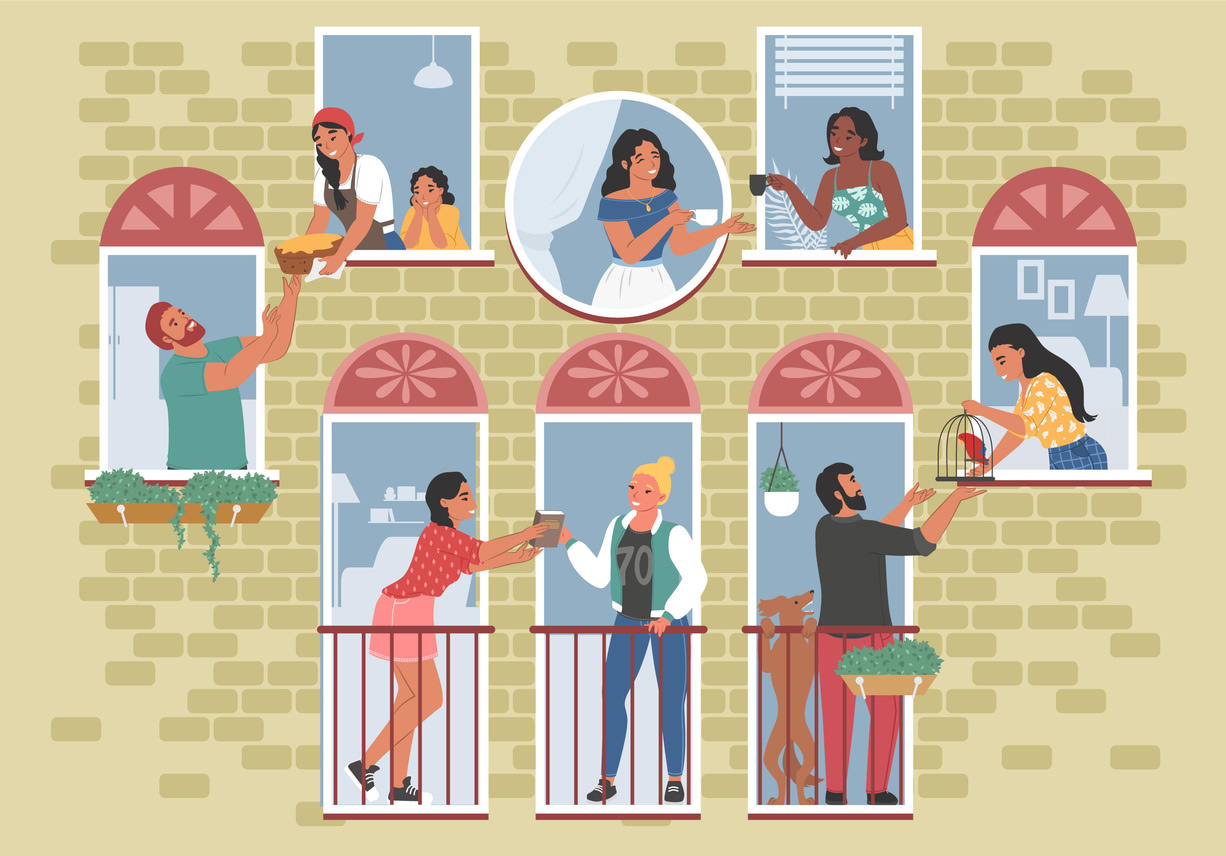
- Introduce yourself to neighbors – this one might feel daunting, but it can make us more grounded in our neighborhood, and help us feel we can rely on our community.
- Join a community garden – building something with your neighbors can strengthen bonds, be a great way to learn a new skill, and get us outside.
It might feel scary or draining to imagine connecting with our neighbors or joining a club. However, when navigating isolation, burnout, and volatile times in our lives, it’s vital to stay in touch. Reach out to your loved ones and try to meet someone new, as we don’t survive these tough chapters alone.
References:
- National Library of Medicine – Political Polarization and Wellbeing
- National Library of Medicine – Loneliness around the World
- NPR – Social Divisions are Making Americans feel Stressed and Lonely
- Medium, WHO – The Loneliness Epidemic in 2026
- Psychology Today – Loneliness
- National Library of Medicine – Relationship Between Loneliness, Psychiatric Disorders, and Physical Health
- CDC – Loneliness, Lack of Social and Emotional Support, and Mental Health Issues
- National Library of Medicine – Social Isolation and Suicide Risk
- National Library of Medicine – Association Between Loneliness and Suicidal Behavior
- Journal of Affective Disorders – Association Between Living Alone, Loneliness, and Suicide Mortality
- National Institutes of Health – Loneliness and Social Isolation: Tips for Staying Connected
- NPR – Eight Creative Ways to Build your Village